 AECE The Apparel Export Council of Egypt
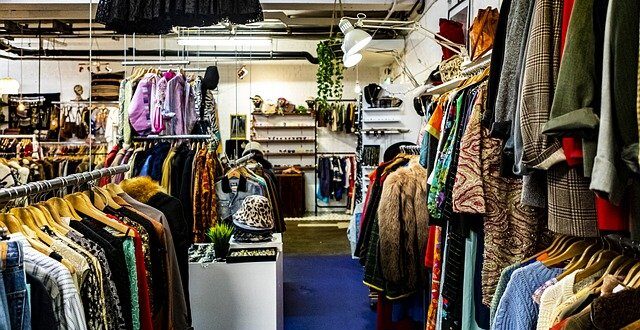
Higher apparel and footwear prices contributed to the rise in the UK annual inflation rate from 2.1% to 2.5% according to The Office for National Statistics (ONS).
The Office for National Statistics (ONS) has revealed the price of apparel and footwear contributed to the UK inflation rate (Consumer Prices Index) rising by 2.4% in the 12 months to June 2021. This means it is up from 2.1% in the 12 months to May.
Apparel and footwear along with food, second-hand cars, eating and drinking out and moter fuel prices are listed as the biggest contributors to the change in the 12-month inflation rate between May and June 2021.
The prices of apparel and footwear rose in 2021 but mostly fell in 2020 due to the Covid-19 pandemic, which played a part in the 12-month inflation rate between May and June 2021.
The Office for National Statistics explains apparel and footwear prices rose in June 2021 and the resulting contribution to the 12-month rate (of 0.16 percentage points) is the largest observed since February 2018.
For most months since March 2020, the contribution has been negative. It has turned positive from May 2021 in part because of the low prices experienced during the first Covid-19 lockdown in 2020.
During 2020, clothing and footwear prices exhibited a different seasonal pattern compared with previous years, and they were clearly influenced by Covid-19 restrictions. Then, in 2021, prices unusually fell between January and February, again potentially caused by the lockdown, before rising in subsequent months. These rises lead to a June index value (on a January of each year = 100 basis) which is above that experienced in recent years (Figure 3). This value is referenced on January 2021 when prices were relatively low, influenced again by the coronavirus lockdown.
British Retail Consortium economist Dr Liliana Danila told Just style exclusively: “Retailers seek to give customers the best value for money, and while prices have risen recently for the latest fashion, we have seen prices for basic lines of clothing fall significantly over the last year. Nonetheless, higher shipping costs and the rising prices of basic commodities will continue to put pressure on shop prices into the future.”
Dr. Danila also told Just style: “The high inflation rate seen for the fashion category is a result of the massive discounting seen last year, as when compared to prices of 2019, inflation remains modeBritish Retail Consortium chief executive Helen Dickinson explained:
“The second quarter of 2021 saw exceptional growth as the gradual unlocking of the UK economy encouraged a release of pent-up demand built up over previous lockdowns. In June, while growth in food sales begun to slow, non-food sales were bolstered by growing consumer confidence and the continued unleashing of consumer demand.
She added: “With many people taking staycations, or cheaper UK-based holidays, many have found they have a little extra to spend at the shops, with strong growth in-store in June. Fashion and footwear did well while the sun was out in the first half of June, while the start of Euro 2020 provided a boost for TVs, snack food and beer.”
KPMG’s head of retail Paul Martin pointed out that while the high street saw continued growth in June with sales up 10%, online sales fell back by 7% compared with June 2020. However, penetration rates for online sales remain much higher than their pre-pandemic levels, suggesting the shift to online is here to stay.
Martin explained: “Sales of men and women’s clothing and footwear have started to recover with double digit growth across all channels, but there were unsurprising declines across those categories which had seen a boom in lockdown, such as technology and home accessories and furnishings.”